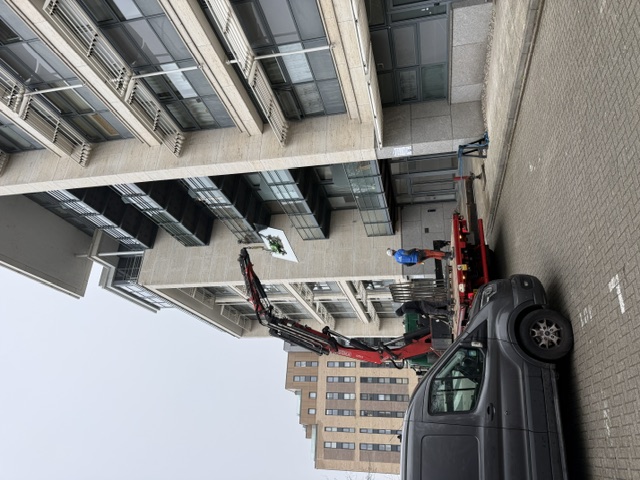
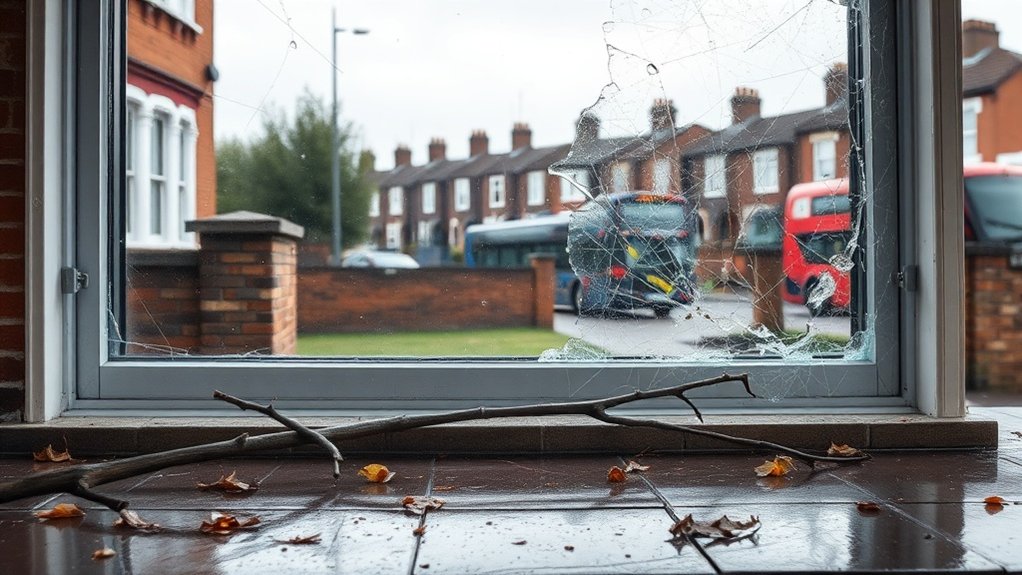
Storm damage glazing in Theydon Bois means repairing or replacing glass or frames that a storm has broken, cracked, loosened or distorted so the window no longer keeps the weather out, keeps people safe or meets the Building Regulations. The first hours matter: make the area safe, stop water getting in, and photograph everything for the insurer. An emergency glazier should protect the opening the same day, then fit a permanent laminated or toughened unit to the relevant British Standards and Part L.
Key insights
- Storm damage glazing in Theydon Bois covers cracked and shattered panes, failed sealed units, bent or loosened frames and windows that no longer shut tight after wind, rain or hail.
- Straight after the storm, keep people clear, take timestamped photographs and arrange boarding or same-day replacement within hours.
- Choose a FENSA registered Theydon Bois glazier who fits laminated and toughened safety glass to BS 6262 and the current Building Regulations.
- Insurers expect prompt notification, a short incident account and photographic evidence before they approve storm-related glazing work.
What Counts As Storm Damage Glazing in Theydon Bois, CM16?
Storm damage glazing in Theydon Bois is any breakage, cracking, movement or loss of performance in glass or frames that can be traced to a specific weather event: strong winds, flying debris, hail, driving rain or a sudden temperature change. A tile through a conservatory roof, a branch through a bay window and a sealed unit that cracked in a gale all qualify, as does a frame pushed out of square so the sash no longer closes.
Less obvious damage counts too. Fine edge cracks, a laminated unit starting to delaminate, and a double glazed unit that misted up because the edge seal failed are all storm damage if the weather caused them.
How Theydon Bois Weather Damages Your Windows
The local climate attacks windows in three ways. Long spells of rain find gaps in seals and joints and cause leaks. Gusting wind puts repeated pressure on the glass and can start stress cracks, particularly in older or oversized panes. Swings between warm days and cold nights drive condensation that rots timber, corrodes metal and tires out edge seals.
Persistent Rain And Leaks
Rain in Theydon Bois is rarely dramatic, but it keeps coming. Water sits on sills, gets behind loose beads and tracks through hairline gaps at frame corners, especially in older installations never designed to modern weather-tightness standards.
Modern frames have drained rebates, drip edges and capillary breaks that move water back outside before it reaches the inside. Replacing perished sealant, renewing gaskets and clearing blocked drainage slots deals with most leaks; where the frame itself has failed, a new unit with proper drainage is the lasting answer.
Wind Stress And Cracks
Wind across Theydon Bois, CM16 is gusty and changes direction quickly, so a pane sees repeated pushing and pulling rather than steady pressure. Over many storms this can start edge cracks or loosen fixings.
Glass should be sized for the wind loads in BS EN 1991-1-4 and the UK National Annex, which allow for location, height and exposure. Thin single glazing in large Victorian sashes and 1960s picture windows are the usual casualties. A stiff frame and enough fixings matter as much as glass thickness, and laminated units hold together if a crack does start.
Temperature Swings And Condensation
In Theydon Bois a mild damp day followed by a sharp frost makes glass, spacer bars and frames expand and contract at different rates, and the edge seal of a double glazed unit takes the strain. Eventually it gives, the argon escapes and moisture enters the cavity, which is why so many units mist up after a stormy winter. When you replace, choose units with warm-edge spacers, edge sealants rated for thermal cycling and frames with clear drainage paths.
Immediate Safety Steps After Storm Damage
When the wind drops, treat any damaged glazing as a hazard first and a repair second.
-
Secure the hazard zone Keep everyone away from the damaged window, inside and out, especially beneath any glass that could still fall. Take timestamped photographs before anything is touched.
-
Isolate utilities and stabilise the envelope Switch off electrics near wet or broken areas, then cover the opening with board or heavy sheeting fixed to the frame to stop wind driving rain and debris inside.
-
Document, classify, and report defects Note which panes are broken, whether frames have moved and what hit the glass, and keep the notes with the photographs for the insurer and the glazier.
Emergency Glazing in Theydon Bois: How Fast You Need It
A storm-damaged opening gets worse by the hour. Emergency glazing in Theydon Bois, CM16 should therefore be measured in hours: within two to four hours of the call you want the opening weather-tight, secure and no longer a risk to passers-by, which is also what insurers expect of a responsible owner.
On arrival the glazier should check how stable the remaining glass is and whether a temporary fix can go in without damaging the frame. Ask for confirmation that the replacement will be fitted to BS 6262 and, for security glass, tested to BS EN 356.
Boarding Up vs Same-Day Glass Replacement
After a Theydon Bois storm the first decision is whether to board the window and glaze later, or to replace the glass the same day.
- Boarding up gives fast protection and satisfies the basic duty to make the site safe, but it blocks light and does nothing for insulation, so it suits a short period while the right glass is made.
- Same-day replacement restores warmth, noise control and appearance straight away and puts the window back into compliance with Part K and Part L, provided the pane is standard enough to be carried on the van.
- Hybrid strategies board the back and side windows while the front elevation, a shop window or a listed facade is glazed first.
Insurance Claims for Storm-Damaged Glazing
Insurers pay storm glazing claims readily when the evidence is clear and promptly supplied, and argue when it is not. You need photographs, a dated note of what happened, and a glazier's report that describes the damage in the terms your policy uses.
Documenting Storm Glass Damage
The claims handler was not there and will want evidence of what failed and how the weather caused it, so start recording before the glazier starts clearing. Photograph the whole elevation and then each pane close up, including edges and fixings, and note where debris came from. Write a short incident report the same day, noting the date, the weather (the Met Office publishes records for your area) and the maintenance history of the window, so it is clear this was a sudden event rather than old wear.
Navigating Insurance Procedures
Read the schedule, endorsements and exclusions first to see how the policy defines a storm and whether tinted, decorative or specialist glass is covered at its real replacement value. Notify the insurer or broker within the stated period and send dated photographs, the glass specification and any installer guarantees.
If you want something better than what was there, such as a higher-performance sealed unit or a security laminate, the difference is called betterment. Get written agreement on who pays what before the work is ordered.
Common Storm Damage Glazing Repairs in Theydon Bois, CM16
After high winds and flying debris, the jobs we see most across Theydon Bois are cracked or shattered panes, misted sealed units, frames knocked out of square and glazing that has worked loose from its fixings. Replacement glass is usually laminated or toughened safety glass so that the window meets BS 6262 and the Building Regulations once more.
In older houses a loosened pane in a tired timber frame may need the rebate repaired and the glass re-bedded without changing the sightlines. Where the whole frame has moved, the fix is often new fixings, pressure plates and gaskets so the window resists wind, air and water as current standards require.
When Should You Replace Storm-Damaged Windows?
Many storm-hit windows in Theydon Bois can be repaired, but patching stops making sense when the repaired window still would not meet BS 6262, Approved Document K or the Part L U-value limit. Consider replacement when:
- Cracks, a bent frame or failed seals mean the window no longer contains glass that meets the safety glazing rules for its position.
- The sash or hardware has moved so that the window cannot be locked properly, leaving it easy to force and below what insurers expect.
- Draughts, water ingress or cold bridging mean the opening cannot reach the replacement window U-value of 1.4 W/m²K required under Part L in England, even after resealing.
Best Storm-Resistant Glazing Options for Theydon Bois
Given Theydon Bois, CM16's mix of gales, flying debris and driving rain, storm-resistant glazing works best as a complete system: glass that resists impact and holds together when broken, frames that stay rigid, and sealed units that keep their thermal performance.
Laminated double or triple glazing with a PVB or stiffer ionoplast interlayer, tested to BS EN 356 and classified under BS EN 12600, is the first choice for exposed windows. In conservation areas, slim laminated units in the original frames keep the appearance of the building while adding real wind resistance.
Protecting Theydon Bois Period Windows From Storm Damage
Original sash and casement windows give Theydon Bois's older streets their character, but thin glass, dried putty and worn joinery make them the most vulnerable windows in a storm. Guidance in BS 8213 and the Theydon Bois, CM16 council's conservation policies points towards reversible improvements: slimline double glazing in the existing rebates, laminated heritage glass that looks like the original, and secondary glazing with trickle ventilation on the inside. Choose upgrades that can be removed later without harming the original fabric.
Typical Costs for Storm Damage Glazing in Theydon Bois
Price depends on glass type, frame condition, access and how quickly you need someone on site.
Average Repair Price Ranges
As a guide, a minor single-pane repair typically starts around £80 to £150, while a complex double glazed or large structural pane can run from several hundred pounds to over £800.
- Single glazing crack repairs or pane swaps: around £80 to £180 where access is easy and the frame is undamaged.
- Standard double glazed unit replacement: around £180 to £450 depending on pane size, coating and spacer type.
- High-performance or structural glazing: roughly £450 to £1,200 or more for laminated, acoustic or impact-rated units in larger frames.
Factors Affecting Glazing Costs
The biggest factor is the glass: laminated, toughened, acoustic or security-rated glass each carries its own cost and certification. The frame comes next, since a thermally broken aluminium system or an awkward period timber frame takes more labour than a standard uPVC casement. Compliance adds cost where it requires better units or safety glass in critical locations under Parts L, B and K, and scaffolding for upper floors, out-of-hours attendance and emergency call-outs carry premiums.
If this is not quite what you need, we also cover vandalism glass repair and smashed window repair.
Frequently Asked Questions
Can Storm Damage Glazing Issues Affect My Energy Bills Over the Long Term?
Yes. A sealed unit whose edge seal failed in a storm has lost its insulating gas, a cracked pane leaks air, and a frame that has moved leaves gaps around the sash, so the room loses heat faster. Consider a modern low-emissivity unit when replacing, since the extra cost is often small.
Are There Council or Heritage Restrictions on Storm Damage Glazing Repairs in Theydon Bois?
Possibly. If the property is listed or in a conservation area in Theydon Bois, controls can apply to frame profiles, glass type and sightlines, and an Article 4 direction may remove permitted development rights for replacement windows. Like-for-like repair of a storm-damaged pane rarely needs consent, but changing the frame material or glazing pattern on a front elevation usually does. Contact the planning department early.
Can I Stay in My Home During Extensive Storm Glazing Replacement Works?
Usually, yes. Most replacement work is done one window at a time, so a room is open to the weather for a few hours rather than days and the house stays secure overnight. If several windows must come out together, or roof glazing is being replaced, ask the installer to phase the work so living areas and at least one bedroom are always weather-tight.
Are There Eco-Friendly or Recycled Glass Options for Storm Damage Glazing Repairs?
Yes. Float glass already contains recycled cullet, and some manufacturers offer units with higher recycled content, along with low-iron solar-control glass and warm-edge spacers that cut heat loss. Any sealed unit should be made to BS EN 1279 and meet Part L. To compare products, ask for an Environmental Product Declaration, which sets out the embodied carbon of the unit.
Summary
Securing the opening quickly, documenting the damage properly and choosing laminated or toughened units for the permanent repair turns an emergency into a lasting improvement. If a storm has damaged your windows, doors or roof glazing, call us for a free quote and a same-day make-safe.